
Position Battles to Watch During Alabama’s Next Stretch of Games and How Fans Can Get More Out of Watching
If you watch Alabama football every week, you have probably noticed moments that raise questions. A running back comes off the field after a good run. A wide receiver with few catches keeps playing deep into the fourth quarter. A defender rotates in during a key drive.
These choices are not random, and during Alabama’s next stretch of games, they become easier to understand if you know what coaches are evaluating.
This part of the season is when playing time reflects trust built through repetition. Coaches rely on players who consistently do their jobs right. For fans, knowing what those jobs are makes every snap more interesting. Instead of reacting only to big plays, you can follow the decisions that shape how the game unfolds.
Running Back: Why Situations Matter More Than Yardage
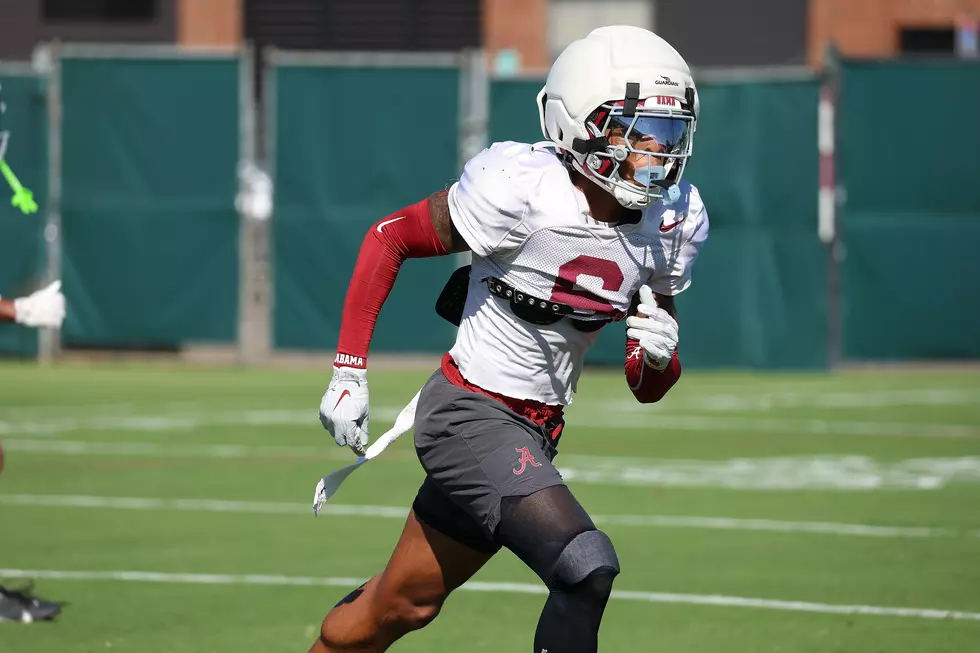
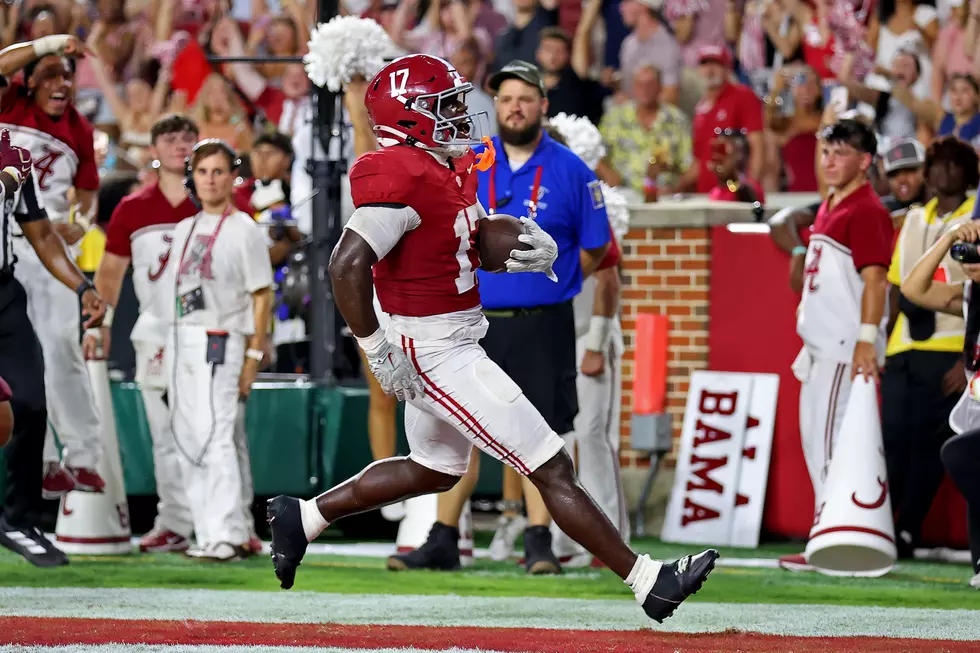
Running back is one of the clearest positions where roles begin to stand out. Alabama often lists multiple backs on the depth chart, but not all of them are used in the same situations. The difference usually shows up on third down, in short-yardage plays, and late in close games.
History provides a good example. Najee Harris finished his Alabama career as the program’s all-time rushing leader with 2,843 yards. His senior season highlighted why his role grew steadily, as he rushed for 1,466 yards and scored 26 touchdowns in 13 games.
Pass protection is one of the main reasons a running back stays on the field. When the quarterback drops back to throw, the running back may be responsible for picking up a defender rushing from the edge or through the middle.
Fans can also watch short-yardage situations for clues. If one running back consistently enters the game in those moments, it tells you the staff trusts him to gain tough yards and protect the ball.
Wide Receiver: Why Playing Time Tells a Better Story Than Stats
Catches and yards often judge a wide receiver, but those numbers do not always explain why a player stays on the field. Coaches value receivers who help the offense stay on schedule.
One key factor is route execution. A route is the path a receiver runs after the snap. Quarterbacks throw the ball based on timing, not just separation. If a receiver runs the wrong depth, the pass can look inaccurate even when the quarterback made the correct read.
Snap counts often explain this better than box scores. During the 2022 season, Jermaine Burton led Alabama wide receivers in total snaps played, even though he did not lead the team in receptions.
Blocking is another reason certain receivers play more. On running plays, wide receivers are expected to block defensive backs to help extend runs. Alabama coaches have spoken openly about grading receivers on blocking effort. An AL.com report from October 2023 detailed how blocking influenced playing time decisions.
Fans who watch who stays on the field during third downs or red-zone plays can usually identify which receivers the staff trusts most.

How Fans Can Follow These Battles More Easily Than Ever
Fans no longer have to guess why roles change. Snap counts, depth charts, and playing time trends are available through ESPN and NCAA stat pages.
As coverage continues to expand beyond traditional game broadcasts, fans now have more BTC accepted choices when engaging with football betting platforms than ever before. That access allows fans to track which players are earning more responsibility week by week.
A good example comes from Alabama’s 2023 season. Linebacker Deontae Lawson did not begin the year as a full-time starter. His snap count increased steadily over several games before he became a regular presence on the field.
If you notice a player’s snap count rising over multiple weeks, it often signals that coaches are testing him in larger roles.
Offensive Line: What Fans Can Watch Without Knowing Schemes
Offensive line play influences nearly every offensive snap, but fans do not need to understand blocking schemes to recognize when things are working or breaking down. The easiest place to look is the quarterback. When he can drop back, set his feet, and deliver the ball on time, it usually means the offensive line is communicating and handling its responsibilities.
Defenders try to disrupt that by using stunts, planned movements in which defenders cross paths to confuse blockers. Fans might notice two defenders switching lanes just after the snap. When the offensive line responds smoothly, and the quarterback stays comfortable, the line has done its job. When pressure arrives quickly from the middle, it often points to a missed handoff between linemen.
Penalties also tell a story. False starts can signal confusion about the snap count or timing, while holding calls often occur when a lineman is out of position and trying to recover. When the same player or side of the line draws repeated penalties, coaches take notice.
Over the years, Alabama has adjusted offensive line rotations when these issues show up on film, even when no injuries are involved. For fans, watching quarterback comfort and penalty trends provides valuable context for understanding why certain linemen remain in the rotation, and others see their roles change.
Defensive Front Seven: How to Watch Run Defense With Intent
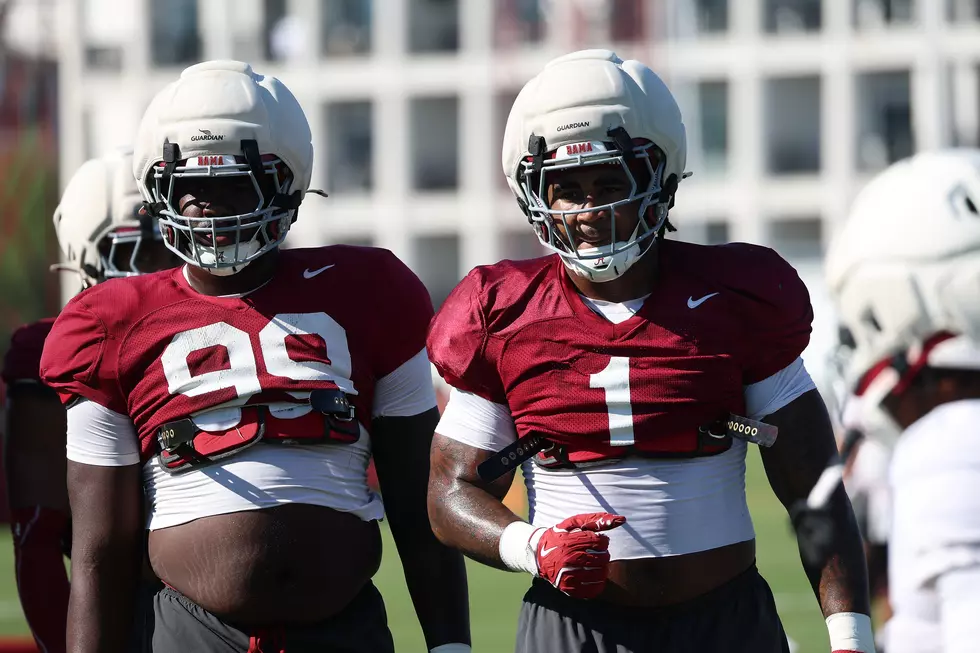
The front seven plays a significant role in controlling how physical a game becomes. Defensive linemen and linebackers are responsible for limiting running lanes and forcing offenses into uncomfortable situations. When the front seven does its job, running plays are short and predictable. When it does not, offenses gain momentum.
One of the easiest things for fans to watch is edge control. Edge control means defenders keep running plays from reaching the outside of the formation. When a runner is forced back toward the middle, help is usually waiting. When runs consistently turn the corner, it often points to a defender losing outside responsibility or taking a poor angle.
Linebacker movement offers another clear indicator. Linebackers who diagnose plays quickly will step toward the line of scrimmage immediately after the snap and meet runners near the point of attack. When linebackers hesitate, running backs often reach the second level before contact is made. Paying attention to reaction time helps fans understand why certain defenders stay on the field when games tighten.

Secondary: Why Coaches Value Positioning and Communication
Defensive backs are often noticed when they intercept passes, but coaches care more about correct positioning. Safeties often adjust coverage before the snap. Fans may see pointing or shifting among defensive backs.
When communication is clear, receivers are usually covered tightly. When it breaks down, significant gains follow.
Understanding this helps fans see that many big plays result from missed assignments rather than a lack of effort.
Special Teams: Why These Snaps Are Worth Attention
Special teams influence field position, which often decides close games. Returners are judged on ball security first. Coverage players must stay in their assigned lanes. When lane discipline breaks down, returns become much longer. Fans who watch coverage spacing can often predict when a return has a chance to break free.
Why Knowing These Battles Changes How You Watch
When fans understand position battles, substitutions stop feeling confusing. You begin to recognize patterns in who plays, when they play, and why they are trusted. Each series becomes part of a larger evaluation rather than an isolated moment.
As Alabama moves through this stretch of games, these battles will shape how the team performs in close situations. For fans, following them adds context to every snap and makes each game more rewarding to watch.
About the Author
Marco Tsuki covers the Crimson Tide by focusing on depth chart movement, situational football, and how execution earns trust within the coaching staff. His work is aimed at fans who want context, not just highlights.
This content was produced in partnership with General Studios. If you or anyone you know has a gambling problem, call 1-800-GAMBLER.
About the Sponsor

General Studios is an award-winning brand and digital agency with a passion for delivering design-focused solutions that help businesses connect with their audiences in a meaningful way.
More From Tide 100.9